
Work Gloves(22)
Filters
-
Brands
-
Protection
-
Use / Application
-
Material
-
PPE Risk Category
-
Size
-
Price
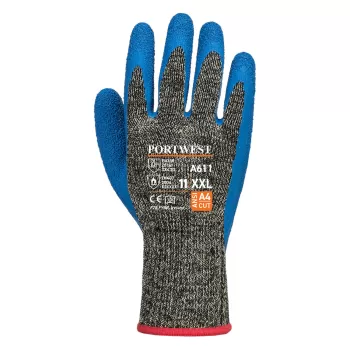
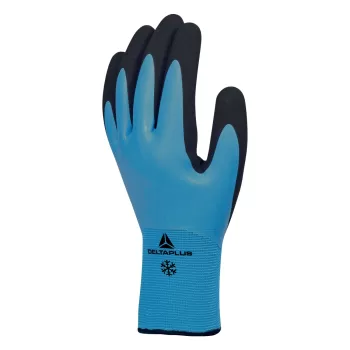
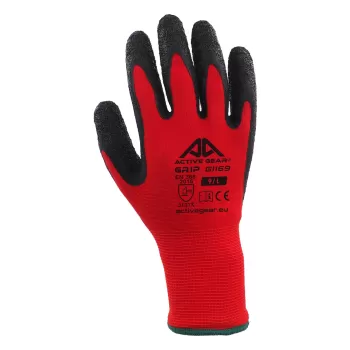
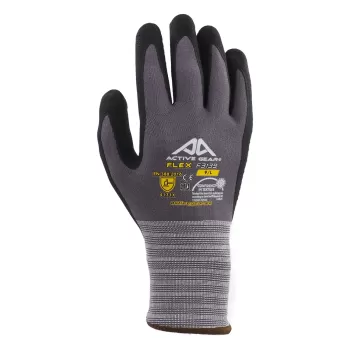
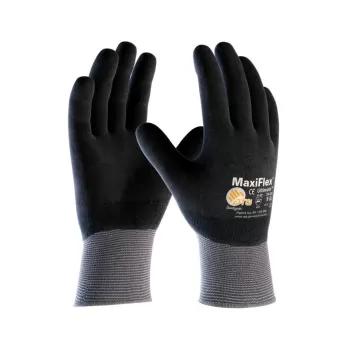
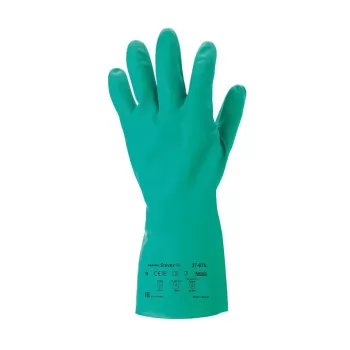
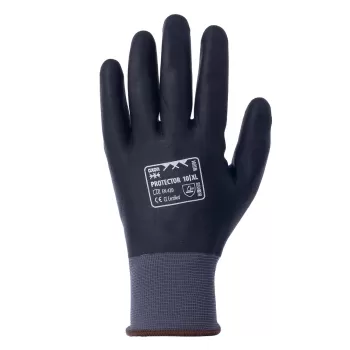

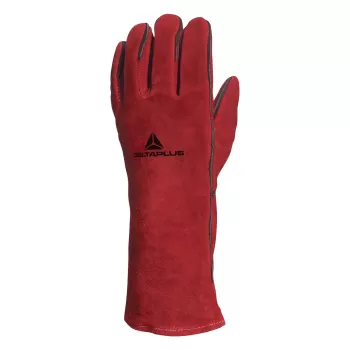
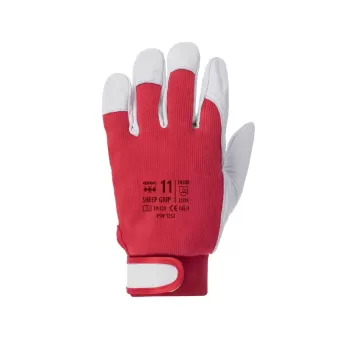
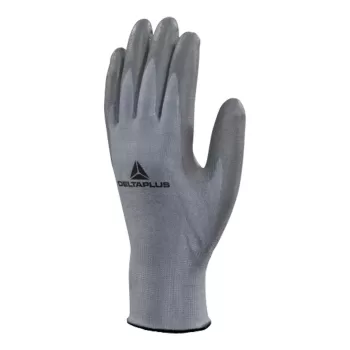
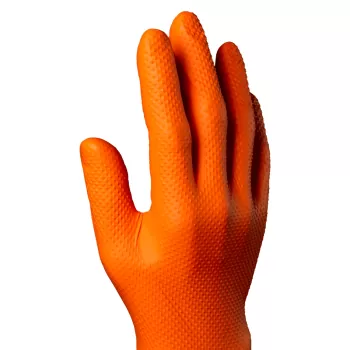


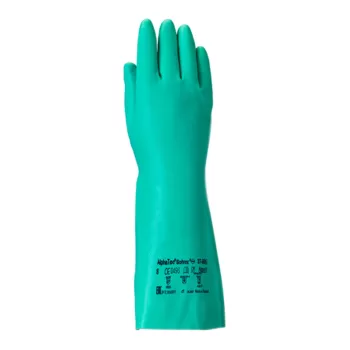
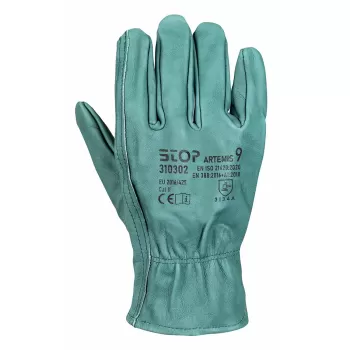
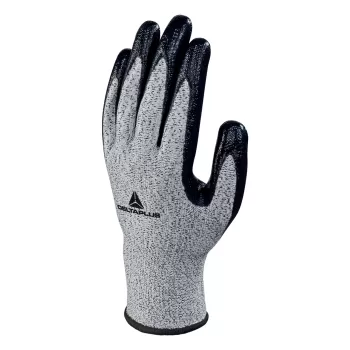
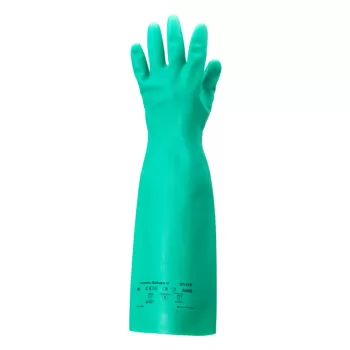
Hands are the most exposed part of the body in any work environment. Workers in construction, manufacturing, healthcare, food service and logistics regularly face everyday hazards such as cuts, burns, chemical exposure, cold, vibration and biological contamination. The first line of defense is wearing the right work gloves, and selecting the right pair for the specific hazard can prevent serious, life-altering injuries. At yoursafety.gr we have a large variety of certified professional work gloves from leading European manufacturers for every application and risk.
Why does choosing the right work gloves matter?
There is no such thing as a universal work glove that covers every need. Each hazard category demands a different type of protection — and the wrong choice can be just as dangerous as wearing no gloves at all. Beyond protection, work gloves must allow adequate dexterity and tactile sensitivity so that workers can perform their tasks effectively without being tempted to remove them.
European EN ISO standards define specific performance requirements for each glove category:
- EN 388: Mechanical risks — abrasion, cut, tear and puncture resistance
- EN 511: Protection against cold — contact with cold surfaces and low ambient temperatures
- EN 374: Protection against chemicals and microorganisms
- EN 407: Protection against heat and flame
- EN 16350: Antistatic gloves for use with flammable substances
Understanding these standards helps you select gloves that genuinely protect your workforce rather than simply ticking a compliance box.
Our work glove categories
We offer a complete range of professional work gloves to cover every working environment and risk level.
General Purpose Work Gloves
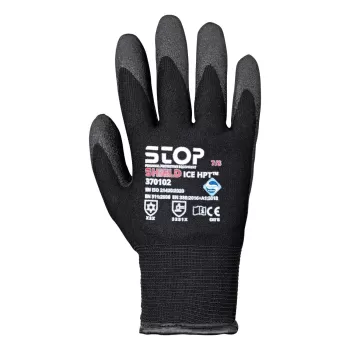
General-purpose work gloves are the most widely used category—suited to light- to medium-duty tasks including material handling, warehousing, packaging, cleaning, and general construction work. They combine basic protection against abrasion and minor cuts with good dexterity and all-day comfort. Available in nitrile, latex, and polyurethane coatings in various thicknesses to match the application.
Cold Protection Gloves
Cold-protection gloves are designed for work in low-temperature environments—cold storage facilities, outdoor winter work, food processing, and cold-chain logistics. Certified to EN 511, they maintain finger dexterity even at very low temperatures while providing sufficient insulation for extended periods of exposure. Look for models that balance warmth with grip performance on cold, wet surfaces.
Cut Resistant Gloves
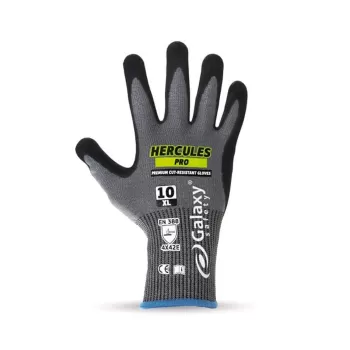
Cut-resistant gloves are essential for work involving sharp objects—glass, metal components, blades, cutting tools, and sheet materials. Certified to EN 388, they are rated on a cut resistance scale from A to F under the current standard (or 1 to 5 under the older classification): the higher the level, the greater the cut resistance. Widely used in metalworking, glazing, construction, and food processing. For most high-risk cutting applications, levels D to F are recommended.
Chemical Protection Gloves
Chemical protection gloves guard against contact with hazardous substances—solvents, acids, alkalis, oils, and biological contaminants. Certified to EN 374, they are classified according to their resistance to penetration and permeation by specific chemicals. Selecting the correct glove depends on the exact chemicals involved—not all chemical gloves protect against all substances. If you are unsure, contact us and we will advise based on your specific situation.
Leather Work Gloves
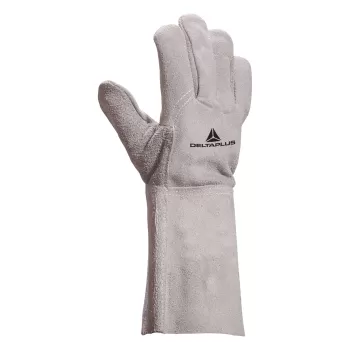
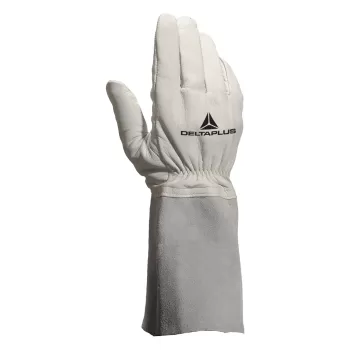
Leather work gloves combine durability, comfort, and excellent tactile feedback—making them a popular choice for material handling, construction, light welding, and general technical work. Leather molds to the shape of the hand with use, providing a personalized fit over time. Available in various leather types, including goatskin (fine dexterity), pigskin (durability and moisture resistance), and cowhide (heavy-duty abrasion resistance).
Disposable Gloves
Disposable gloves are essential wherever hygiene and cross-contamination prevention are critical—healthcare, pharmaceuticals, food service, cleaning, and laboratory environments. Available in nitrile, latex, and vinyl, with and without powder, in a range of thicknesses. Nitrile is the most widely recommended option due to its superior chemical resistance, puncture resistance, and suitability for people with latex allergies. All our disposable nitrile gloves are latex-free.
How to choose the right work gloves
Selecting the correct work gloves comes down to four key factors:
1. The type of hazard Identify the primary risk first—mechanical, chemical, thermal, or biological. Many working environments involve more than one hazard, in which case you need a glove that addresses all of them or prioritizes the most serious.
2. Duration and frequency of use For gloves worn continuously over an 8-hour shift, comfort and breathability are as important as protection. For brief high-risk tasks, maximum protection takes priority even if comfort is reduced.
3. Required dexterity Tasks requiring fine motor skills—electrical work, precision assembly, medical procedures—need thin gloves with high tactile sensitivity. Heavy manual work allows for thicker, more robust gloves where dexterity is less critical.
4. Material Nitrile: excellent chemical resistance, no allergy risk, and good durability. Latex: superior elasticity and tactile feel—avoid if a latex allergy is a concern. Leather: durability and comfort for mechanical work. Kevlar: cut and heat resistance for high-risk applications. Vinyl: low-cost option for light, short-duration tasks.
Why choose work gloves from yoursafety.gr?
Certified products from leading manufacturers
Every pair of work gloves we stock carries CE marking and the relevant EN ISO certifications. We work with recognized European manufacturers, including Delta Plus, Portwest, Ansell, Aurelia, Galaxy, and other leading names in hand protection—brands with proven track records in workplace safety.
Complete range for every application
From basic general-purpose gloves to specialist high-performance chemical and cut-resistant gloves—we cover the full spectrum of hand protection needs in one place. Businesses and individual buyers find everything they need without searching across multiple suppliers.
Volume pricing for regular buyers
Work gloves are consumables that need regular replenishment. We offer competitive pricing for B2B orders and bulk purchases. Contact us for a tailored quote based on your usage volume and product requirements.
Fast delivery across Greece
In-stock items are dispatched promptly via reliable courier partners to every part of Greece.
Frequently asked questions about work gloves
What does the cut resistance level mean on EN 388 gloves? Under the current EN 388 standard, cut resistance is rated from A (lowest) to F (highest) using the ISO 13997 blade cut test. For work involving glass, sheet metal, or industrial blades, levels D to F are recommended. For general handling of moderately sharp materials, levels B or C are typically sufficient. Note that older gloves may show the previous 1-5 scale—level 5 was the highest under that system.
Can I use the same gloves for different tasks? Generally not. Each glove type is designed for a specific hazard category. A cut-resistant glove does not protect against chemicals, and a chemical glove may not provide adequate mechanical protection. If your workplace involves multiple hazards, choose a glove that addresses the primary risk or contact us for guidance on multi-hazard options.
I am allergic to latex—what are my options? Nitrile gloves are the ideal alternative for people with latex allergies. They offer similar flexibility and tactile sensitivity to latex, excellent chemical resistance, and zero risk of allergic reaction. All our nitrile gloves are clearly marked as latex-free.
How often should work gloves be replaced? This depends on the glove type and usage intensity. Disposable gloves must be discarded after each use—never reused. Reusable gloves should be inspected before every use for holes, tears, or signs of degradation. Chemical gloves have a defined shelf life once opened—always follow the manufacturer's guidance. When in doubt, replace rather than risk compromised protection.
Are work gloves legally required? In many sectors, yes. Employers are legally obliged to provide appropriate hand protection as personal protective equipment (PPE) under EU Directive 89/656/EEC and Greek health and safety legislation, wherever a risk assessment identifies a hazard to the hands. The obligation applies across construction, manufacturing, healthcare, food production, and many other industries.
What is the difference between nitrile, latex, and vinyl disposable gloves? Nitrile offers the best all-round performance—strong chemical resistance, good puncture resistance, and no latex allergy risk, making it the preferred choice for most professional applications. Latex provides superior elasticity and tactile sensitivity but carries an allergy risk for some users. Vinyl is the most economical option, suitable for low-risk, short-duration tasks where chemical or puncture resistance is not critical.
Protect your team's most important tools — their hands. Browse our full range of certified work gloves or contact us for expert advice matched to your industry and specific risk profile.