
Head Protection(40)
Filters
-
Brands
-
Protection
-
Use / Application
-
Material
-
Fabric Composition
-
PPE Risk Category
-
Color
-
Price
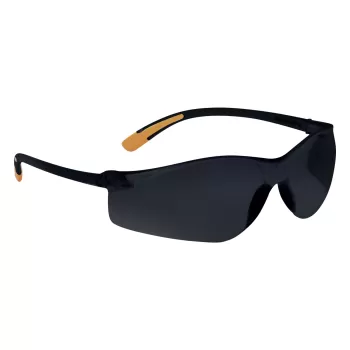
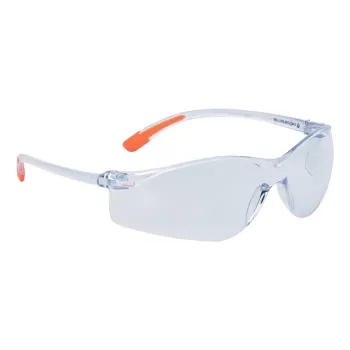
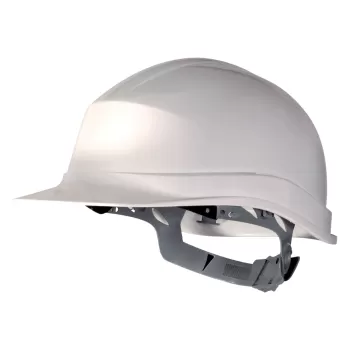
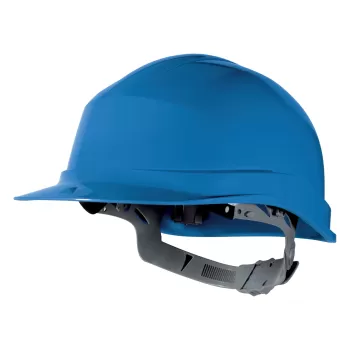
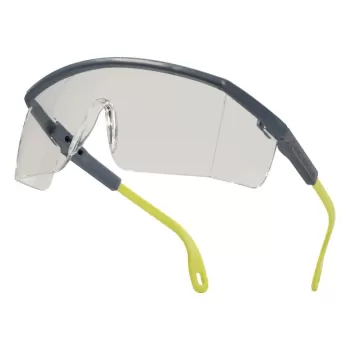
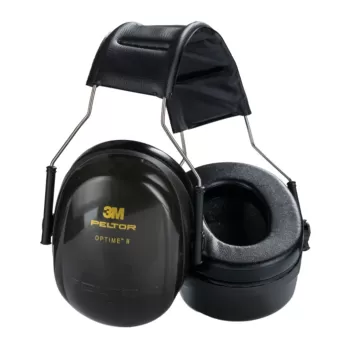
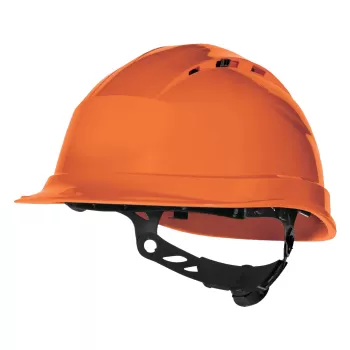
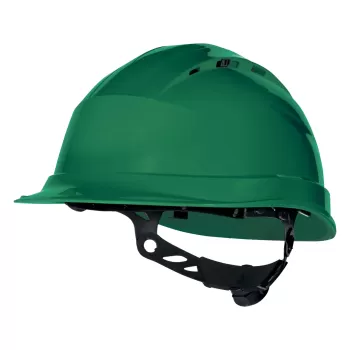
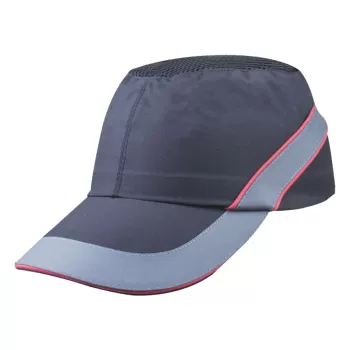
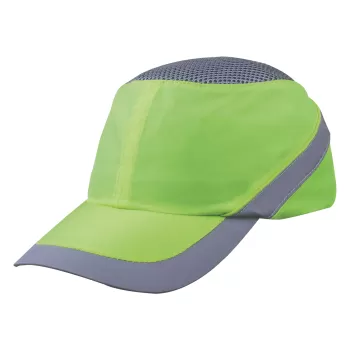
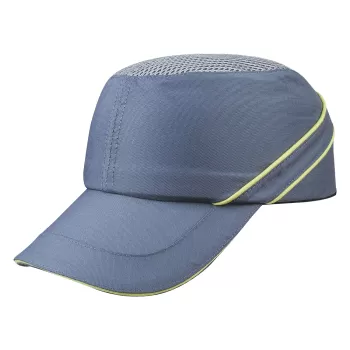
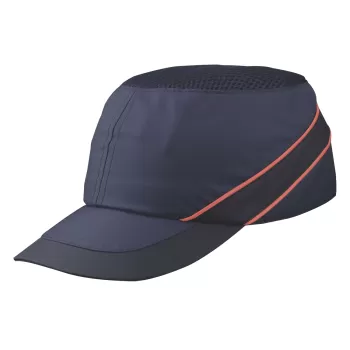
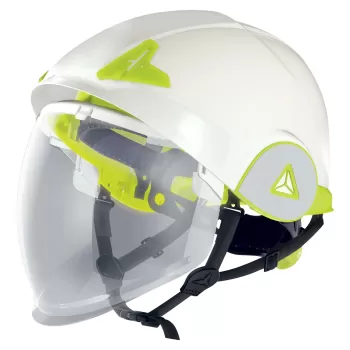
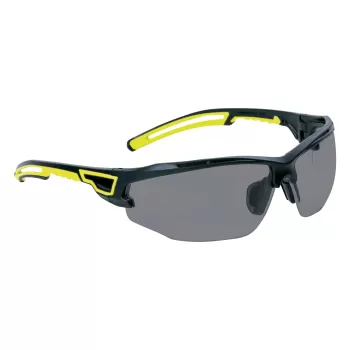
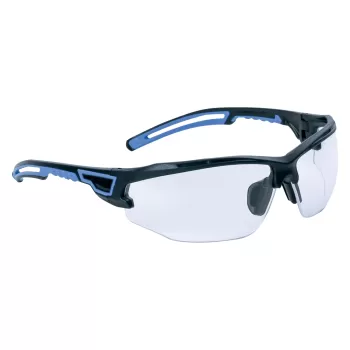
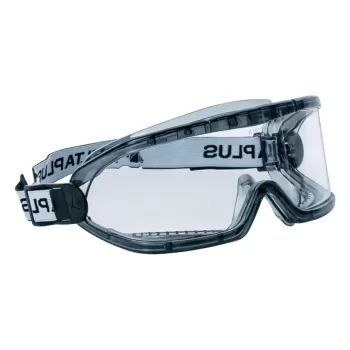
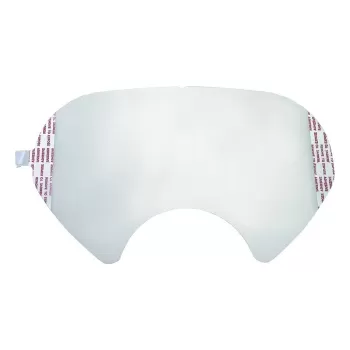
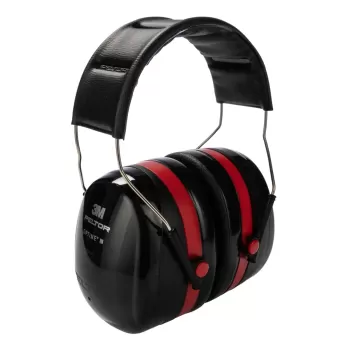
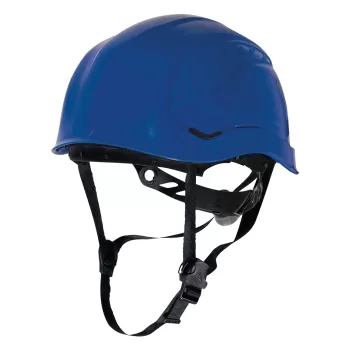
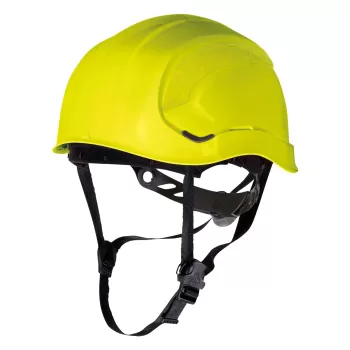
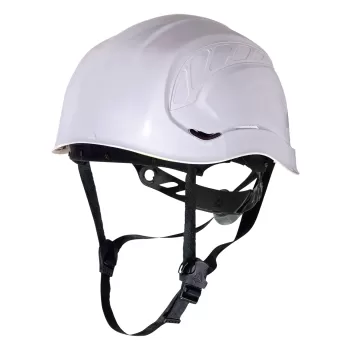
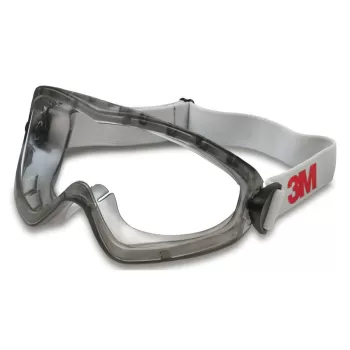
The head, eyes, and ears are among the most vulnerable parts of the body in any working environment. Falling objects, flying debris, high noise levels, chemical splashes, and optical radiation can cause permanent injury or worse. Proper head protection is not optional—in most professional environments it is a legal requirement. At yoursafety.gr, we stock a comprehensive range of certified head protection equipment from leading European manufacturers, covering every hazard and every industry.
Why is head protection critical in the workplace?
Head, eye, and hearing injuries are among the most common—and most serious—occupational hazards. Occupational hearing loss remains one of the most prevalent work-related conditions in Europe, affecting millions of workers across all sectors. Eye injuries send thousands of workers to hospital each year, the vast majority of which could have been prevented with appropriate protection.
European standards that govern head protection equipment:
- EN 397: Industrial safety helmets — protection against falling objects
- EN 812: Bump caps for lighter impact protection
- EN ISO 166: Personal eye protection — safety spectacles and goggles
- EN ISO 4869: Hearing protectors — measurement of sound attenuation
- EN 166: Face shields and visors
Understanding which standard applies to your specific hazard ensures you choose equipment that genuinely protects rather than simply looks the part.
Our head protection categories
Hard Hats & Safety Helmets
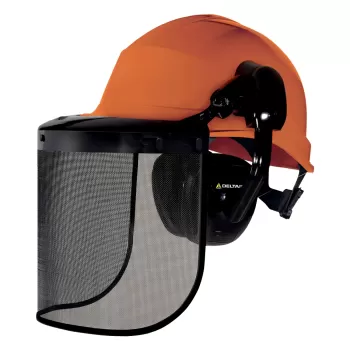
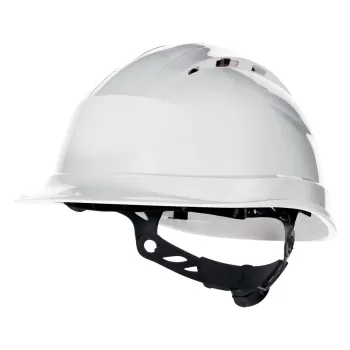
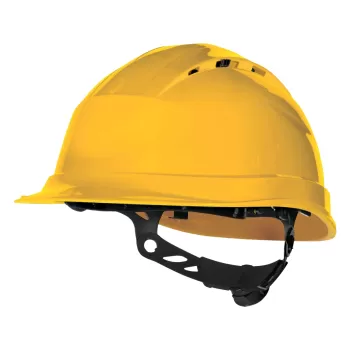
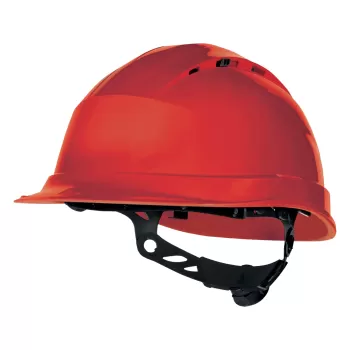
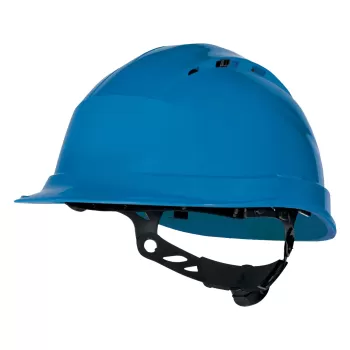
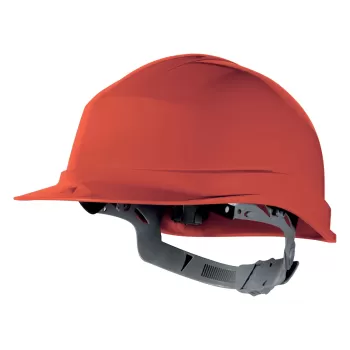
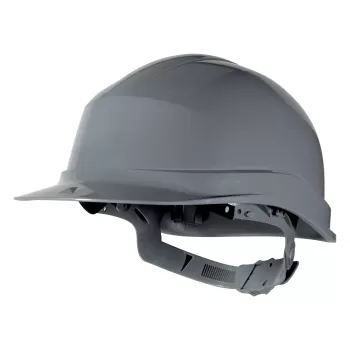
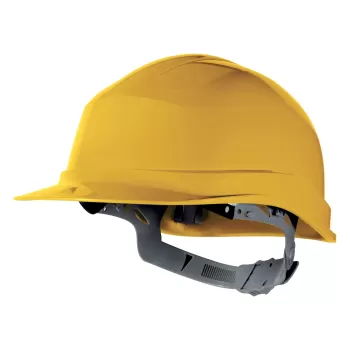
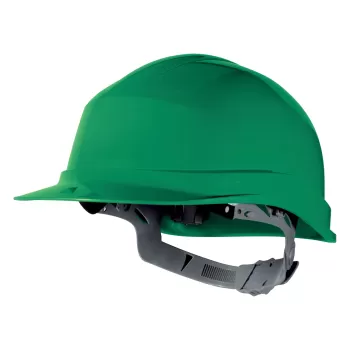
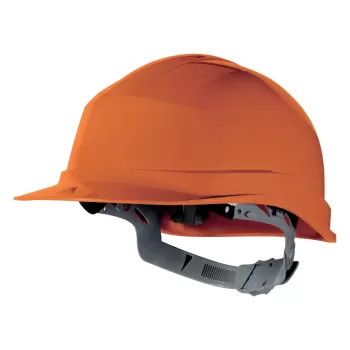
Industrial safety helmets are the most recognizable item of personal protective equipment on any construction site or industrial facility. Certified to EN 397, they protect against falling objects, lateral impacts and, in specialist versions, electrical hazards. Our range includes helmets in various colors—which on many sites indicate role or seniority—with adjustable suspension systems, ratchet fittings, and attachment points for accessories such as ear defenders and visors. Essential for construction, mining, manufacturing, and any environment where overhead hazards exist.
Caps & Work Hats
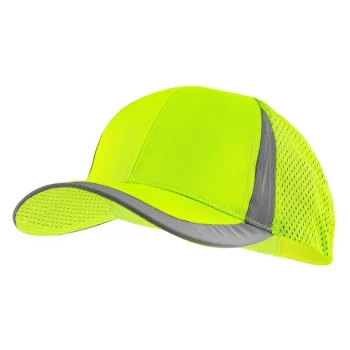
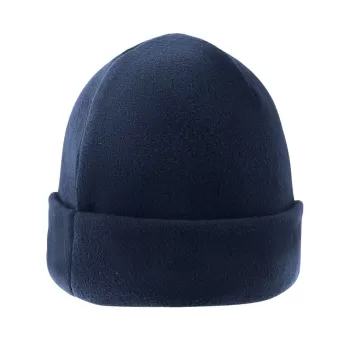
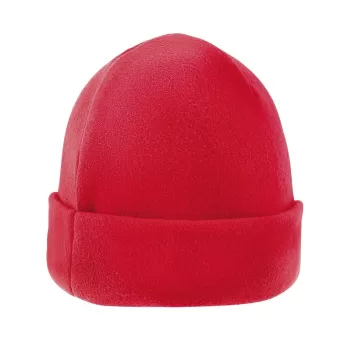
Work caps and hats cover protection needs that do not require a full industrial helmet—sun protection for outdoor workers, cold-weather headwear, dust protection, and hair containment near machinery. A basic requirement for food processing, hospitality, agriculture, and cleaning services. Available in cotton, fleece, and waterproof materials for year-round use.
Safety Glasses & Goggles
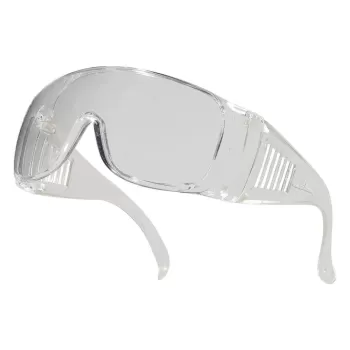
Safety eyewear protects against flying particles, dust, chemical splashes, UV radiation, and glare. Certified to EN ISO 166, our range covers a wide variety of applications: clear-lens spectacles for general particle protection, anti-fog models for high-activity work, tinted lenses for outdoor use, panoramic goggles for chemical environments, and specialist models designed to be worn over prescription glasses. An essential item for construction, metalworking, chemical industries, and any task involving power tools or grinding.
Ear Defenders & Hearing Protection
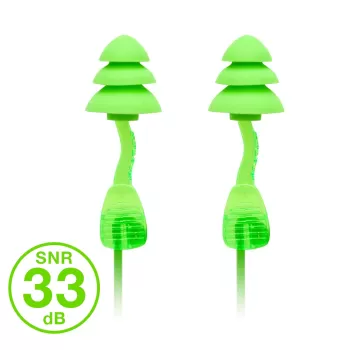
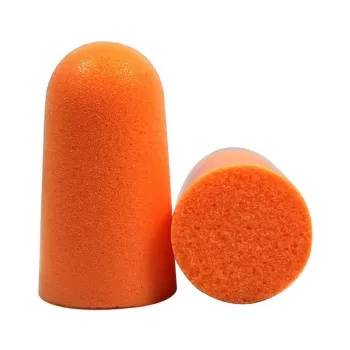
Occupational noise-induced hearing loss develops gradually and silently — by the time symptoms are noticed, the damage is permanent and irreversible. Certified to EN ISO 4869, our hearing protection range reduces noise exposure by up to 37 dB SNR. Available as over-ear earmuffs, single-use and reusable earplugs, and helmet-mounted ear defenders that attach directly to safety helmets. Required wherever noise levels exceed 85 dB—construction sites, manufacturing plants, airports, and heavy industry.
Face Shields & Visors
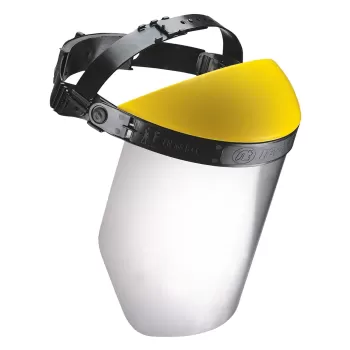
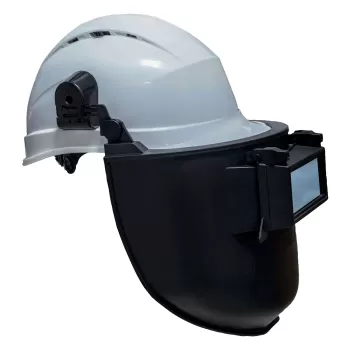
Face shields and visors provide full-face protection beyond what safety glasses alone can offer—guarding against flying debris, chemical splashes, welding sparks, and optical radiation across the entire face. Certified to EN 166, our range includes clear polycarbonate shields for general use, specialist welding visors, and chemical-resistant options for laboratory and industrial applications. Many models are designed to attach directly to compatible safety helmets for combined head and face protection.
Head Protection Accessories
Our accessories range covers all the replacement parts and supplementary components that extend the life and functionality of your existing head protection equipment:
- Helmet accessories: Replacement suspension systems, chin straps, sweatbands and comfort liners
- Eyewear accessories: Replacement lenses, protective cases and anti-fog spray
- Hearing protector accessories: Replacement hygiene cushions and storage cases
- Attachment components: Brackets and fittings for mounting ear defenders and visors to helmets
How to choose the right head protection equipment
Hard hats: Select based on the specific hazard. Standard EN 397 for general construction use; electrically insulated helmets for electrical work; helmets with integrated visors for grinding and cutting operations. Always check the manufacture date—helmets should be replaced every 3 to 5 years regardless of visible condition and immediately after any significant impact.
Safety eyewear: For general particle protection, choose EN ISO 166 spectacles with anti-fog coating. For chemical work, panoramic goggles with a sealed fit are required. For outdoor use, UV protection and tinted or photochromic lenses are recommended.
Hearing protection: Check the SNR (Single Number Rating) value — this indicates how many decibels of noise reduction the protector provides. For noise levels of 85-100 dB, an SNR of 20-25 is typically sufficient. For noise above 100 dB, an SNR of 30 or higher is required.
Why choose head protection from yoursafety.gr?
Certified equipment from recognised manufacturers
Every item in our head protection range carries CE marking and the relevant EN ISO certifications. We work with leading European manufacturers, including Delta Plus, 3M, Moldex, and other recognized names in occupational safety.
Complete range in one place
Hard hats, safety glasses, ear defenders, face shields, and accessories—everything you need for comprehensive head protection for your entire workforce, available from a single supplier.
Competitive pricing for businesses
For B2B orders and team equipment purchases, we offer volume pricing. Contact us for a tailored quote based on your specific requirements.
Fast delivery across Greece
In-stock items are dispatched promptly via reliable courier partners to every part of Greece.
Frequently asked questions about head protection
How often should a safety helmet be replaced? Every 3 to 5 years from the date of manufacture, even without visible damage. The polymer shell degrades with UV exposure and heat, gradually losing its impact resistance. A helmet that has absorbed a significant impact must be replaced immediately—even if it appears undamaged on the outside, the internal structure may be compromised.
At what noise level is hearing protection legally required? Under EU Directive 2003/10/EC, hearing protection becomes mandatory when daily noise exposure exceeds 85dB(A) over an 8-hour working day. Above 87dB, exposure without protection is not permitted. Many industrial environments—construction sites, manufacturing plants, airports—regularly exceed these thresholds.
Can I wear safety glasses over my prescription glasses? Yes. There are overspectacle models specifically designed to fit over prescription eyewear without compromising protection or comfort. Alternatively, safety glasses with prescription lenses can be ordered for workers who require vision correction.
Do I need different safety glasses for indoor and outdoor work? For outdoor work, UV protection and anti-glare lenses are recommended. For indoor work under artificial lighting, clear lenses with anti-fog coating are the standard choice. Photochromic models that automatically adjust to ambient light conditions are also available and work well across both environments.
What is the difference between earmuffs and earplugs? Earmuffs (over-ear defenders) are generally easier to put on and take off correctly, making them the preferred choice where hearing protection is donned and removed frequently. Earplugs typically achieve a higher attenuation level and are more comfortable for extended wear in hot environments. Many professionals use earmuffs that attach to their safety helmet for convenience.