
Work Shoes(16)
Filters
-
Brands
-
Use / Application
-
Material
-
PPE Risk Category
-
Footwear Safety Category
-
Standards
-
Shoe Size
-
Price
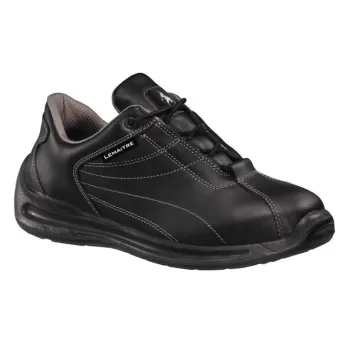
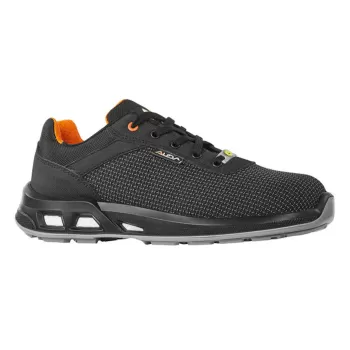
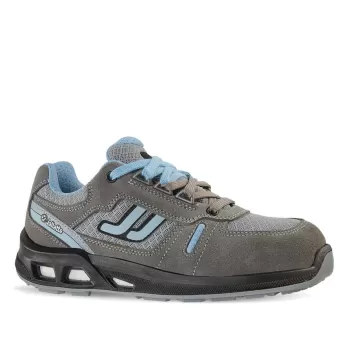
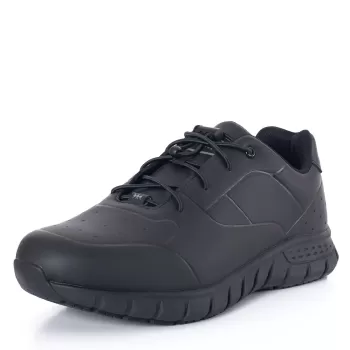
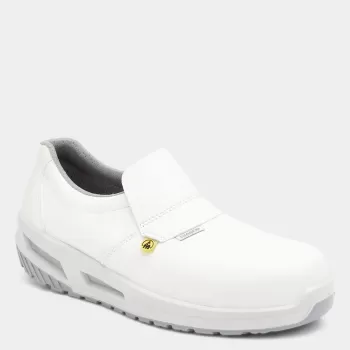
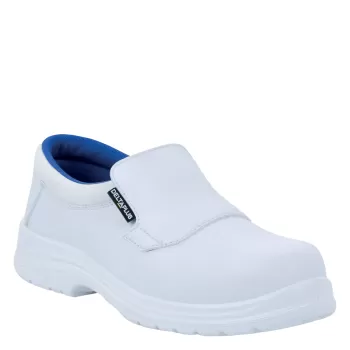
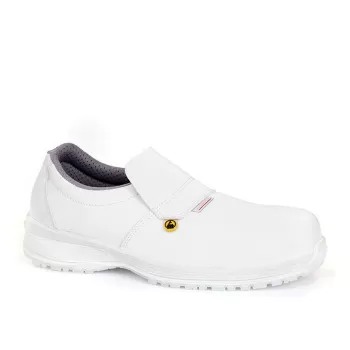
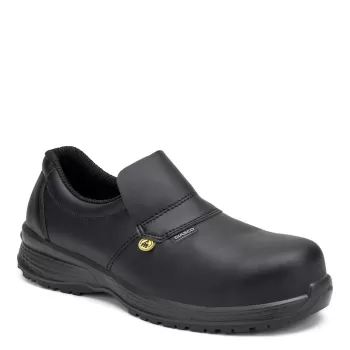
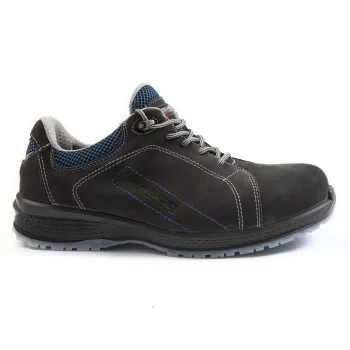
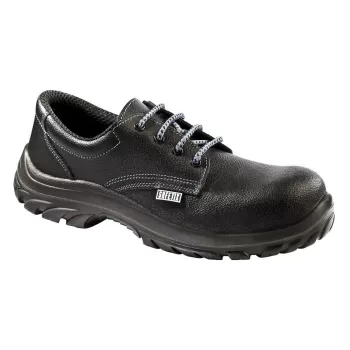
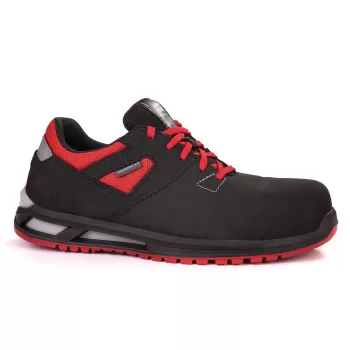
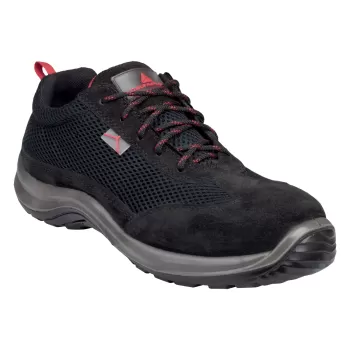
Safety Shoes – Protection, Comfort and Confidence at Every Step
Every working day starts on your feet. Make sure they are protected with the right safety shoes, designed to provide comfort, stability and reliable protection in demanding working environments.
Long hours on your feet, heavy objects, slippery floors and challenging working conditions can make your daily routine more demanding. The right safety footwear can help reduce everyday fatigue and provide protection against workplace hazards, helping you work with greater comfort and confidence.
Explore our collection of safety shoes and work footwear, with options for construction sites, industrial facilities, warehouses, workshops and technical jobs. Choose the right footwear according to your working environment and enjoy reliable protection and comfort throughout your working day.
Why choose the right safety shoes?
The right safety shoes do more than protect your feet. They can also contribute to everyday comfort and help you handle the demands of your workplace with greater confidence.
Comfort and reduced everyday fatigue
Long hours of standing and walking can put significant strain on your feet. Proper fit, ergonomic construction and suitable cushioning can help improve comfort throughout the working day.
Protection against workplace hazards
Depending on the protection category, certified safety shoes can help protect against impact, compression, puncture, slipping and moisture. Your choice should always be based on the specific hazards present in your workplace.
Stability and slip resistance
Safety shoes with suitable slip-resistant outsoles can provide improved grip on compatible surfaces, helping you move with greater stability in demanding working conditions.
Comfort during long shifts
Ergonomic design, suitable materials and a secure fit can make a significant difference during a long working day, helping provide greater everyday comfort.
Safety footwear protection categories
Choosing the right protection category depends on the conditions and hazards present in your workplace. Safety footwear certified according to EN ISO 20345:2022 is available in different protection categories, each with specific basic and additional requirements.
S1 safety shoes
S1 footwear provides basic toe protection, antistatic properties and energy absorption in the heel area. It can be suitable for a range of indoor professional environments, including warehouses and light industrial workplaces.
S1P, S1PS and S1PL safety shoes
These categories combine the requirements of S1 footwear with additional puncture resistance. The specific protection depends on the type of protective insert and the applicable test method.
S2 safety shoes
S2 footwear provides the properties of S1 and additionally offers resistance to water penetration and absorption in the upper (WPA). It can be suitable for professional environments where footwear may be exposed to moisture.
S3, S3S and S3L safety shoes
These categories combine the requirements of S2 with a cleated outsole and puncture resistance. The individual classifications differ according to the applicable puncture-resistance test and protective insert.
S4 and S5 safety footwear
S4 footwear is made from polymer or rubber materials and provides basic safety requirements, antistatic properties and heel energy absorption. S5 footwear adds puncture resistance and a cleated outsole.
S6 and S7 safety footwear
S6 and S7 footwear include additional water resistance of the entire footwear (WR). S7 combines this characteristic with the requirements of S3, while S7S and S7L classifications differ according to their puncture-resistance testing.
Safety footwear certifications and markings
Safety footwear markings indicate the protection characteristics that have been tested and certified for the specific product.
- CE: Conformity marking under applicable European PPE legislation.
- EN ISO 20345: Standard for safety footwear.
- A: Antistatic properties.
- E: Energy absorption in the heel area.
- WPA: Water penetration and absorption resistance of the upper.
- WR: Water resistance of the entire footwear.
- P, PL, PS: Puncture resistance using different test methods.
- SR: Additional slip-resistance test.
- FO: Outsole resistance to fuel oil.
- HRO: Outsole resistance to contact heat.
- CI / HI: Cold or heat insulation.
- LG: Ladder grip.
- M: Metatarsal protection.
- SC: Scuff cap abrasion resistance.
Always check the product category, markings and manufacturer's documentation before choosing safety footwear to make sure it meets the requirements of your working environment.
How to choose the right safety work shoes
The right safety footwear depends on your profession, workplace and everyday working conditions.
Safety shoes for construction and building work
Look for footwear with appropriate toe protection, puncture resistance and outsole grip based on the hazards present on the construction site.
Safety shoes for warehouses and industrial environments
Choose work footwear that combines comfort, a secure fit, suitable slip resistance and the level of protection required for your workplace.
Safety shoes for technical jobs and workshops
Consider footwear that provides appropriate protection against mechanical hazards while also offering stability, durability and everyday comfort.
Safety shoes for wet working environments
Consider footwear with suitable water- or moisture-resistance markings depending on your level of exposure and the requirements of your workplace.
Frequently asked questions about safety shoes
Which safety shoes are suitable for my job?
The right choice depends on the hazards and conditions in your workplace. S1 footwear may be suitable for some indoor environments, while S3 or S7 footwear may be required for construction and outdoor work, depending on exposure to moisture, puncture risks and other hazards. Always follow your workplace risk assessment.
What is the difference between S1, S2 and S3 safety shoes?
S1 footwear provides basic safety requirements, antistatic properties and energy absorption in the heel. S2 adds resistance to water penetration and absorption in the upper, while S3 combines S2 properties with puncture resistance and a cleated outsole.
Are all safety shoes waterproof?
No. Not all safety shoes are waterproof. WPA refers to resistance to water penetration and absorption of the upper, while WR refers to water resistance of the entire footwear. If you regularly work in wet conditions, check the specific markings of the model.
What does a slip-resistant outsole mean?
A slip-resistant outsole is designed and tested to provide resistance to slipping under specified test conditions. Actual grip also depends on the type and condition of the surface, moisture and contamination.
What is the difference between metal and non-metal safety toe caps?
Both metal and non-metal toe caps can provide the required certified protection against impact and compression. Non-metal toe caps may offer advantages in terms of weight or thermal performance, depending on their construction.
How do I choose the correct safety shoe size?
Measure the length and width of your foot and check the manufacturer's size guide. Try the shoes with the socks you normally wear at work and make sure there is enough room for your toes while the heel remains securely supported.
How often should I replace my safety shoes?
There is no single replacement interval for all safety shoes. Replacement depends on frequency of use, working conditions, wear and the manufacturer's instructions. Regularly inspect the outsole, seams and protective components and replace footwear when its protective performance has been compromised.
What does EN ISO 20345 mean?
EN ISO 20345 is the standard for safety footwear and specifies basic and additional protection requirements. Depending on the category and additional markings, footwear may provide protection against hazards such as impact, compression, puncture, slipping and water.
What does the CE marking mean on safety shoes?
The CE marking indicates that the product complies with the applicable requirements of European legislation. For personal protective equipment, compliance is associated with Regulation (EU) 2016/425 and the relevant conformity documentation.
Are safety shoes suitable for long hours of standing?
Comfort depends on the fit, construction, weight, materials and characteristics of each model. For jobs involving prolonged standing, look for footwear with a secure fit, appropriate support and features suited to your working conditions.
Can I use the same safety shoes for different jobs?
Not necessarily. Different working environments can require different levels of protection. A shoe suitable for a warehouse may not be suitable for a construction site, wet environment or workplace with a high puncture risk. Your choice should always be based on the actual hazards of the job.
Discover our safety shoes collection
Explore our range of safety shoes and work footwear, with options designed for different professional requirements. Choose the right pair based on protection category, fit, comfort and the conditions of your workplace.
Invest in your protection and comfort and make every working day safer.