
Body Protection(6)
Filters
-
Brands
-
Protection
-
Use / Application
-
Material
-
PPE Risk Category
-
Size
-
Price
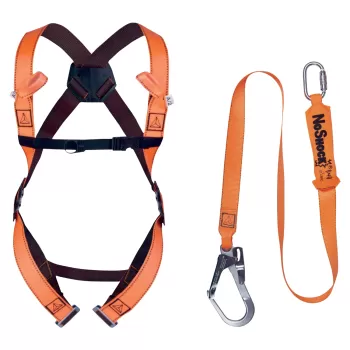
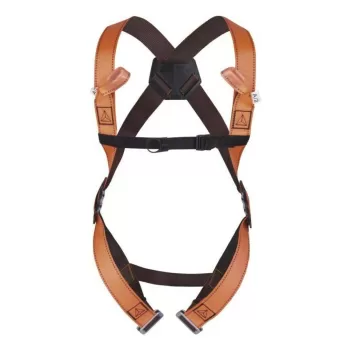
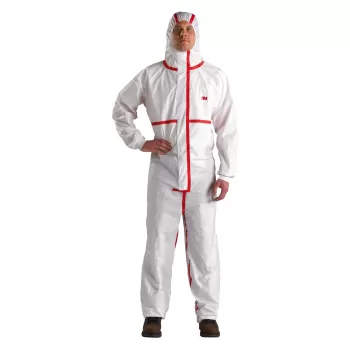
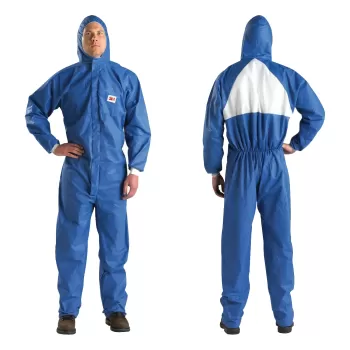
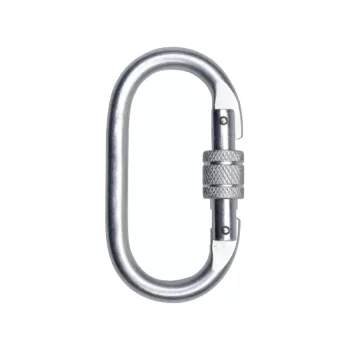
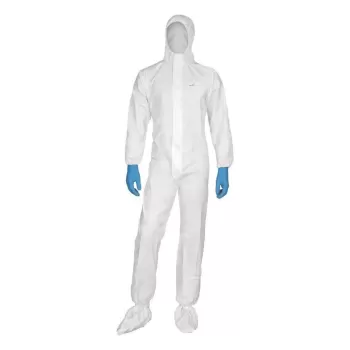
Body protection in the workplace addresses two of the most serious hazards faced by workers in specialist environments: falling from height and exposure to hazardous chemical substances. In both cases, the right equipment does not simply reduce the risk — it eliminates it. At yoursafety.gr, we stock certified body protection equipment from leading European manufacturers, covering every application and risk level.
Why is body protection critical in the workplace?
Falls from height are the leading cause of fatal occupational accidents in Europe, particularly in the construction sector. At the same time, chemical exposure — even through skin contact alone — can cause serious acute or chronic health conditions, many of which are irreversible. In both cases, legislation mandates the use of appropriate personal protective equipment, and employers bear full responsibility for providing it.
European standards that govern body protection equipment:
- EN 361: Full-body harnesses for fall arrest
- EN 354 / EN 355: Lanyards and energy absorbers
- EN 360: Retractable type fall arresters (self-retracting lifelines)
- EN 14325: Chemical protective clothing — performance evaluation
- EN ISO 13982: Suits against solid airborne particles (Type 5)
- EN 13034: Suits against liquid chemical splash (Type 6)
Our body protection categories
Fall Arrest Protection
Fall arrest equipment is mandatory for any worker performing tasks at a height of more than 2 meters where collective protective measures—such as guardrails or safety nets—are not in place. A complete fall arrest system consists of three components that must work together as a system:
Full-body harness: The harness is the foundation of any fall arrest system. It distributes the forces of a fall across the entire body, protecting the spine and internal organs from concentrated impact. Certified to EN 361, our harnesses feature fully adjustable straps to fit every body type, multiple attachment points, and ergonomic design for extended use throughout the working day.
Lanyard & energy absorber: Connects the harness to the fixed anchor point. The energy absorber critically reduces the peak force transmitted to the body during a fall, preventing internal injuries that could otherwise result from the arrest itself. Certified to EN 354/355, lanyards are available in fixed and twin-leg configurations.
Self-retracting lifeline (SRL): Automatically locks and arrests a fall within centimeters, dramatically reducing the free-fall distance compared to a standard lanyard. Ideal for work on scaffolding, roofs, industrial structures, and any environment where minimizing fall distance is critical.
Suitable for: construction, scaffolding, industrial maintenance, roofing, telecommunications towers, and every application involving work at height.
Chemical Protective Suits
Chemical protective suits are specialist equipment for workers who come into contact with hazardous chemical substances, toxic aerosols, biological agents, or radioactive materials. Unlike standard workwear, chemical protective suits are manufactured from barrier materials specifically engineered to prevent hazardous substances from reaching the skin.
They are classified by type according to the level of protection provided:
- Type 3: Full liquid-tight protection against pressurised chemical jets—for handling strong acids, alkalis and toxic liquids under pressure
- Type 4: Protection against chemical spray—for decontamination, cleaning operations and chemical handling where splashing is likely
- Type 5: Protection against airborne solid particles—for work involving toxic dusts, asbestos fibers, and radioactive materials
- Type 6: Light protection against low-level liquid aerosols — for lower-risk chemical environments where full spray protection is not required
Available in single-use versions (for maximum hygiene and cross-contamination prevention) and reusable versions (for regular use in controlled environments where decontamination procedures are in place).
How to choose the right body protection equipment
For fall arrest protection: First, identify the nature of the work at height—static position or movement across the structure? Is rescue in case of suspension trauma a consideration? Equipment must be selected as a complete system—the harness, lanyard, and anchor point must be compatible and rated for the combined load. If in doubt, contact us for guidance.
For chemical protection: Identify the exact substances involved and the likely mode of exposure—pressurized jet, spray, immersion, or airborne particles. Select the suit type that matches the hazard level. When multiple chemical agents are present, always select protection appropriate for the most hazardous substance.
Why choose body protection from yoursafety.gr?
Certified equipment — no compromise on safety
In fall arrest and chemical protection, uncertified equipment is not an option. Every item in our body protection range carries CE marking and certification to the relevant EN ISO standards. We do not stock products that have not been independently tested and verified.
Expert guidance for specialist equipment
Selecting a fall arrest system or chemical protective suit requires specialist knowledge. Our team is available to advise you on the correct equipment selection for your specific working environment and risk profile.
Competitive pricing for businesses
For B2B orders and team equipment purchases, we offer volume pricing. Contact us for a tailored quote.
Fast delivery across Greece
In-stock items are dispatched promptly via reliable courier partners to every part of Greece.
Frequently asked questions about body protection
When is fall arrest protection legally required? Under Greek and European health and safety legislation, fall arrest protection is mandatory for work at heights above 2 meters where collective protective measures such as guardrails or safety nets are not in place. Employers are obliged to provide certified fall arrest equipment and to train workers in its correct use before they work at height.
How often should fall arrest equipment be inspected? Before every use by the wearer, and at least annually by a competent person. Equipment that has been involved in a fall must be withdrawn from service and replaced immediately — even if no visible damage is apparent. The internal structure of harnesses and energy absorbers may be compromised by a fall without any outward sign of damage.
What is the difference between a Type 5 and Type 6 chemical suit? Type 5 suits protect against airborne solid particles—suitable for toxic dusts, asbestos, and radioactive materials. Type 6 suits protect against light liquid aerosol spray—suitable for lower-hazard chemical environments. For strong liquid chemicals involving pressurized jets or heavy spray, Type 3 or Type 4 suits are required.
Can chemical protective suits be reused? It depends on the suit type and the conditions of use. Single-use suits must be discarded after each use and should never be reused, as decontamination cannot be guaranteed. Reusable suits must be decontaminated according to the manufacturer's instructions and inspected for damage, tears, or degradation before each subsequent use.
What is suspension trauma, and why does it matter for fall arrest? Suspension trauma occurs when a worker hangs motionless in a harness after a fall arrest, which can cause serious cardiovascular complications within minutes. This is why rescue planning is a critical part of any fall arrest system — the ability to recover a suspended worker quickly is as important as the equipment itself. Always have a rescue plan in place before working at height.